
Air Pollution Effects on Lung Health in Urban Areas | Expert Guide
Doctor:Dr. Pallav Mishra
SpecialistSenior Consultant Physician & Diabetologist
PlaceYatharth Super Speciality Hospital Noida, India
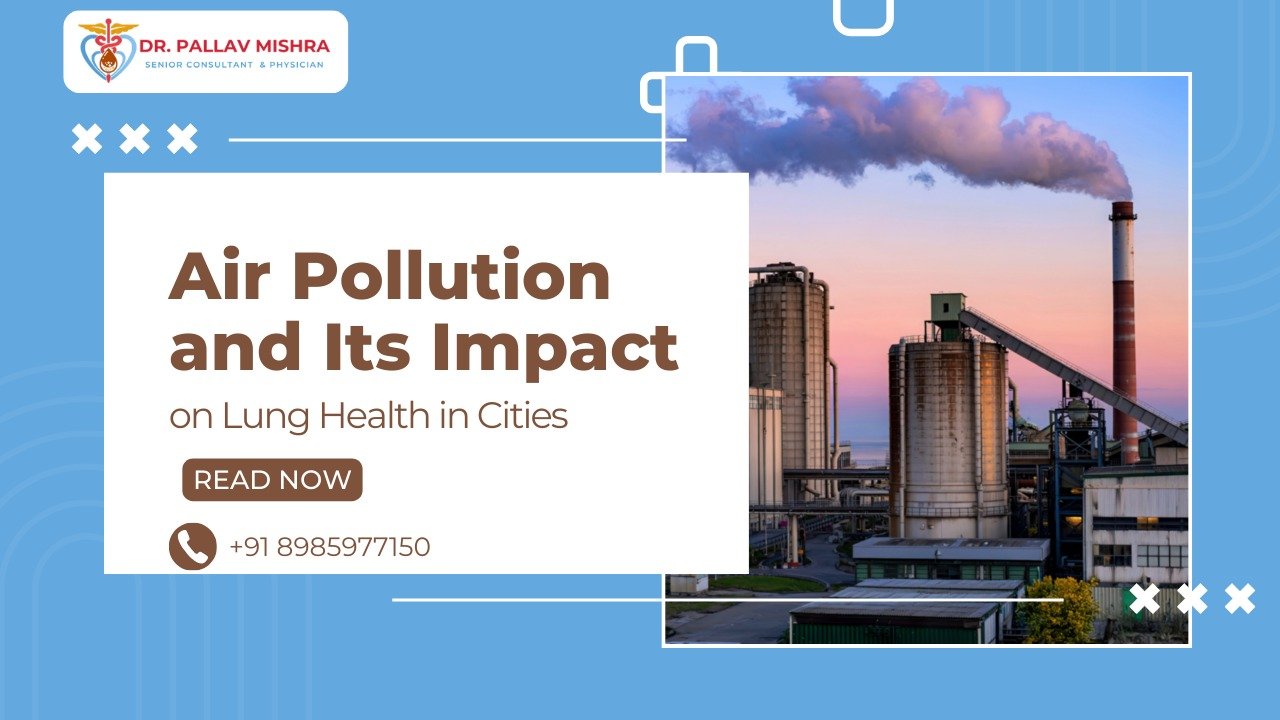
Every morning, millions of city dwellers wake up to a sky that's more gray than blue. The air they breathe carries invisible threats—fine particles, toxic gases, and pollutants that silently wage war on their lungs. Air pollution has become one of the most pressing health challenges of our time, particularly in urban areas where traffic fumes, industrial emissions, and construction dust create a toxic cocktail.
Understanding the Silent Threat
Air pollution isn't just about smog you can see. The most dangerous pollutants are often invisible to the naked eye. PM2.5 particles—tiny particles measuring 2.5 micrometers or less—can penetrate deep into your lungs and even enter your bloodstream. These microscopic invaders come from vehicle exhaust, industrial smokestacks, construction sites, and even everyday activities like cooking.
When you breathe polluted air, your lungs work overtime. Imagine your respiratory system as a sophisticated filter designed to trap harmful particles. But when overwhelmed by constant pollution, this natural defense system begins to break down. The delicate lung tissue becomes inflamed, airways narrow, and over time, permanent damage can occur.
The Real Impact on Your Lungs
The effects of air pollution on lung health are both immediate and long-lasting. In the short term, you might experience coughing, wheezing, or shortness of breath. Your eyes might water, your throat might feel scratchy, and you may feel more tired than usual. These are your body's warning signals.
Long-term exposure tells a more alarming story. Chronic obstructive pulmonary disease (COPD), asthma, lung cancer, and reduced lung function are all linked to prolonged exposure to polluted air. Children are particularly vulnerable—their developing lungs are more susceptible to damage, potentially affecting their respiratory health for life.
Studies show that people living in highly polluted cities have a significantly higher risk of developing respiratory diseases. Research from the American Lung Association emphasizes how various pollutants specifically damage respiratory tissue, contributing to millions of premature deaths globally each year, with lung-related illnesses being a major factor.
For those already dealing with respiratory conditions or other health concerns, consulting a best general physician in Noida can provide personalized guidance on managing symptoms and protecting lung health in polluted environments.
Who's Most at Risk?
While air pollution affects everyone, certain groups face higher risks. Children and elderly individuals have more vulnerable immune systems. People with pre-existing conditions like asthma, diabetes, or heart disease experience worsened symptoms. Outdoor workers, traffic police, and those living near busy roads or industrial areas face constant exposure.
Even healthy adults aren't immune. Long-term exposure can gradually weaken lung function, making you more susceptible to respiratory infections and chronic diseases. The累ulative effect is what makes air pollution particularly dangerous—you might not notice the damage until it's significant.
Protecting Yourself: Practical Steps
Living in a polluted city doesn't mean you're powerless. Simple lifestyle changes can significantly reduce your exposure and protect your lungs.
Monitor air quality indexes daily through mobile apps or websites. On high-pollution days, limit outdoor activities, especially during morning and evening rush hours when pollution peaks. If you must go out, consider wearing N95 or N99 masks that filter fine particles effectively.
Create a clean air zone in your home. Keep windows closed during high-pollution periods and use air purifiers with HEPA filters. Indoor plants like spider plants and peace lilies can help improve air quality naturally. Avoid indoor pollution sources like smoking, burning incense, or using harsh chemicals.
Stay hydrated and maintain a healthy diet rich in antioxidants—fruits and vegetables help your body combat oxidative stress from pollution. Regular exercise strengthens your respiratory system, though it's best done indoors or in less polluted areas during high-pollution days.
If you experience persistent respiratory symptoms, don't ignore them. A best general physician in Noida can assess your lung health and recommend appropriate interventions.
The Bigger Picture: Community Action
Individual actions matter, but lasting change requires collective effort. Supporting policies that reduce emissions, promoting public transportation, and advocating for green spaces in cities all contribute to cleaner air. Every tree planted, every carpool shared, and every voice raised for environmental protection makes a difference.
Cities worldwide are implementing innovative solutions—from vertical gardens to car-free zones. As citizens, we can participate in these initiatives and hold authorities accountable for air quality standards.
When to Seek Medical Help
Pay attention to warning signs. If you experience persistent coughing lasting more than three weeks, increasing shortness of breath, chest pain, or frequent respiratory infections, seek medical attention. Regular health check-ups become even more important when living in polluted environments.
A best general physician in Noida can perform lung function tests, assess your overall health, and provide tailored advice based on your specific circumstances and exposure levels.
Looking Forward
Air pollution and lung health are inextricably linked. While the challenge is significant, awareness and action can make a real difference. Protect yourself, educate others, and contribute to creating cleaner, healthier cities for future generations.
Your lungs work tirelessly every moment of your life—they deserve clean air. By understanding the risks and taking proactive steps, you can safeguard your respiratory health even in urban environments. Remember, consulting healthcare professionals like a best general physician in Noida ensures you're taking the right steps for your individual health needs.
Frequently Asked Questions
1. How quickly does air pollution affect lung health?
Immediate effects like coughing or irritation can occur within hours, while chronic damage develops over months to years of exposure.
2. Can lung damage from air pollution be reversed?
Some inflammation can heal when exposure is reduced, but chronic damage like COPD or scarring is often permanent.
3. Do face masks really help against air pollution?
Yes, N95 or N99 masks can filter up to 95-99% of PM2.5 particles when worn properly.
4. Are indoor air purifiers effective?
Quality HEPA filter purifiers can significantly reduce indoor particulate matter and improve air quality in enclosed spaces.
5. Should I avoid exercising outdoors in polluted cities?
Exercise indoors during high-pollution days or choose early mornings in parks away from traffic for outdoor activities.
